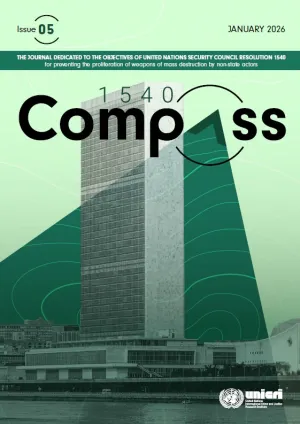
Explore our latest publications to gain insights into UNICRI’s initiatives, research, and efforts in promoting justice, crime prevention, security, and human rights worldwide.
UNICRI’s publications offer insights from cutting-edge research, tailored to global and context-specific needs, providing evidence-based analysis to inform policymaking and build advanced capacities. Addressing topics such as violent extremism, organised crime, cybersecurity, CBRN risk mitigation, artificial intelligence, environmental crimes, gender issues, disinformation, illicit financial flows, and justice reform, these studies foster collaboration and advance sustainable solutions for peace, equality, and development. Explore our collection to stay informed and inspired. Through our publications, we aim to deepen knowledge, foster collaboration, and drive forward sustainable solutions that promote justice, peace, security, accountability, equality, and development. Whether you are a policymaker, researcher, or practitioner, UNICRI’s publications serve as a trusted resource to inspire informed action and meaningful impact. Explore our collection to stay at the forefront of global and local security challenges.
Chemical, biological, radiological, and nuclear (CBRN) disinformation is defined as intentionally misleading and deceptive information about CBRN threats that can potentially cause serious political, financial, and physical harm to governments, international organizations, the scientific community, academia, industry, and the population at large.
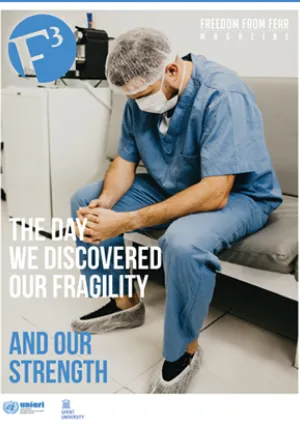
The Guide has been designed by the United Nations Office of Counter-Terrorism (UNOCT), the United Nations Alliance of Civilizations (UNAOC), the United Nations Interregional Crime and Justice Research Institute (UNICRI) and the International Centre for Sport Security (ICSS) within the framework of the Global Programme on Security of Major Sporting Events and Promotion of Sport and Its Values as a Tool to Prevent Violent Extremism (PVE).
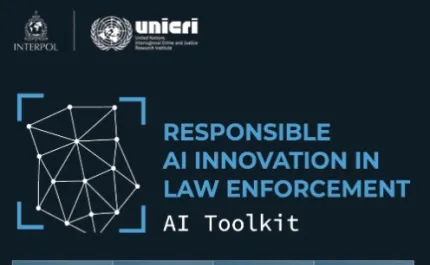
Artificial intelligence (AI) is transforming the world, and policing is no exception to this: law enforcement agencies in many parts of the world are already developing, acquiring and using different types of AI systems, tools, and technologies to support an increasingly broad range of activities. Whether for image, text and speech analysis or risk assessment, AI is already essential for many agencies, and it is on its way to becoming one of the fundamental operating tools of policing.
The purpose of the Guidebook (now available in Arabic) is to provide police and civil prosecutors, and relevant investigative agencies, with guidance to support the successful prosecution of incidents involving the deliberate use of a chemical or biological agents. The Guidebook aims to provide awareness and insight into the current and emerging challenges related to the investigation and prosecution of such crimes.
The United Nations Interregional Crime and Justice Research Institute (UNICRI) announces the release of a comprehensive new report offering a critical analysis of the evolving security landscape in Afghanistan following the Taliban's takeover in 2021.
Chemical, biological, radiological, and nuclear (CBRN) disinformation is defined as intentionally misleading and deceptive information about CBRN threats that can potentially cause serious political, financial, and physical harm to governments, international organizations, the scientific community, academia, industry, and the population at large.
The Guide has been designed by the United Nations Office of Counter-Terrorism (UNOCT), the United Nations Alliance of Civilizations (UNAOC), the United Nations Interregional Crime and Justice Research Institute (UNICRI) and the International Centre for Sport Security (ICSS) within the framework of the Global Programme on Security of Major Sporting Events and Promotion of Sport and Its Values as a Tool to Prevent Violent Extremism (PVE).
Artificial intelligence (AI) is transforming the world, and policing is no exception to this: law enforcement agencies in many parts of the world are already developing, acquiring and using different types of AI systems, tools, and technologies to support an increasingly broad range of activities. Whether for image, text and speech analysis or risk assessment, AI is already essential for many agencies, and it is on its way to becoming one of the fundamental operating tools of policing.
The purpose of the Guidebook (now available in Arabic) is to provide police and civil prosecutors, and relevant investigative agencies, with guidance to support the successful prosecution of incidents involving the deliberate use of a chemical or biological agents. The Guidebook aims to provide awareness and insight into the current and emerging challenges related to the investigation and prosecution of such crimes.
The United Nations Interregional Crime and Justice Research Institute (UNICRI) announces the release of a comprehensive new report offering a critical analysis of the evolving security landscape in Afghanistan following the Taliban's takeover in 2021.
Chemical, biological, radiological, and nuclear (CBRN) disinformation is defined as intentionally misleading and deceptive information about CBRN threats that can potentially cause serious political, financial, and physical harm to governments, international organizations, the scientific community, academia, industry, and the population at large.
The Guide has been designed by the United Nations Office of Counter-Terrorism (UNOCT), the United Nations Alliance of Civilizations (UNAOC), the United Nations Interregional Crime and Justice Research Institute (UNICRI) and the International Centre for Sport Security (ICSS) within the framework of the Global Programme on Security of Major Sporting Events and Promotion of Sport and Its Values as a Tool to Prevent Violent Extremism (PVE).
Artificial intelligence (AI) is transforming the world, and policing is no exception to this: law enforcement agencies in many parts of the world are already developing, acquiring and using different types of AI systems, tools, and technologies to support an increasingly broad range of activities. Whether for image, text and speech analysis or risk assessment, AI is already essential for many agencies, and it is on its way to becoming one of the fundamental operating tools of policing.
The purpose of the Guidebook (now available in Arabic) is to provide police and civil prosecutors, and relevant investigative agencies, with guidance to support the successful prosecution of incidents involving the deliberate use of a chemical or biological agents. The Guidebook aims to provide awareness and insight into the current and emerging challenges related to the investigation and prosecution of such crimes.
The United Nations Interregional Crime and Justice Research Institute (UNICRI) announces the release of a comprehensive new report offering a critical analysis of the evolving security landscape in Afghanistan following the Taliban's takeover in 2021.
Chemical, biological, radiological, and nuclear (CBRN) disinformation is defined as intentionally misleading and deceptive information about CBRN threats that can potentially cause serious political, financial, and physical harm to governments, international organizations, the scientific community, academia, industry, and the population at large.
The Guide has been designed by the United Nations Office of Counter-Terrorism (UNOCT), the United Nations Alliance of Civilizations (UNAOC), the United Nations Interregional Crime and Justice Research Institute (UNICRI) and the International Centre for Sport Security (ICSS) within the framework of the Global Programme on Security of Major Sporting Events and Promotion of Sport and Its Values as a Tool to Prevent Violent Extremism (PVE).
Artificial intelligence (AI) is transforming the world, and policing is no exception to this: law enforcement agencies in many parts of the world are already developing, acquiring and using different types of AI systems, tools, and technologies to support an increasingly broad range of activities. Whether for image, text and speech analysis or risk assessment, AI is already essential for many agencies, and it is on its way to becoming one of the fundamental operating tools of policing.
The purpose of the Guidebook (now available in Arabic) is to provide police and civil prosecutors, and relevant investigative agencies, with guidance to support the successful prosecution of incidents involving the deliberate use of a chemical or biological agents. The Guidebook aims to provide awareness and insight into the current and emerging challenges related to the investigation and prosecution of such crimes.
The United Nations Interregional Crime and Justice Research Institute (UNICRI) announces the release of a comprehensive new report offering a critical analysis of the evolving security landscape in Afghanistan following the Taliban's takeover in 2021.